
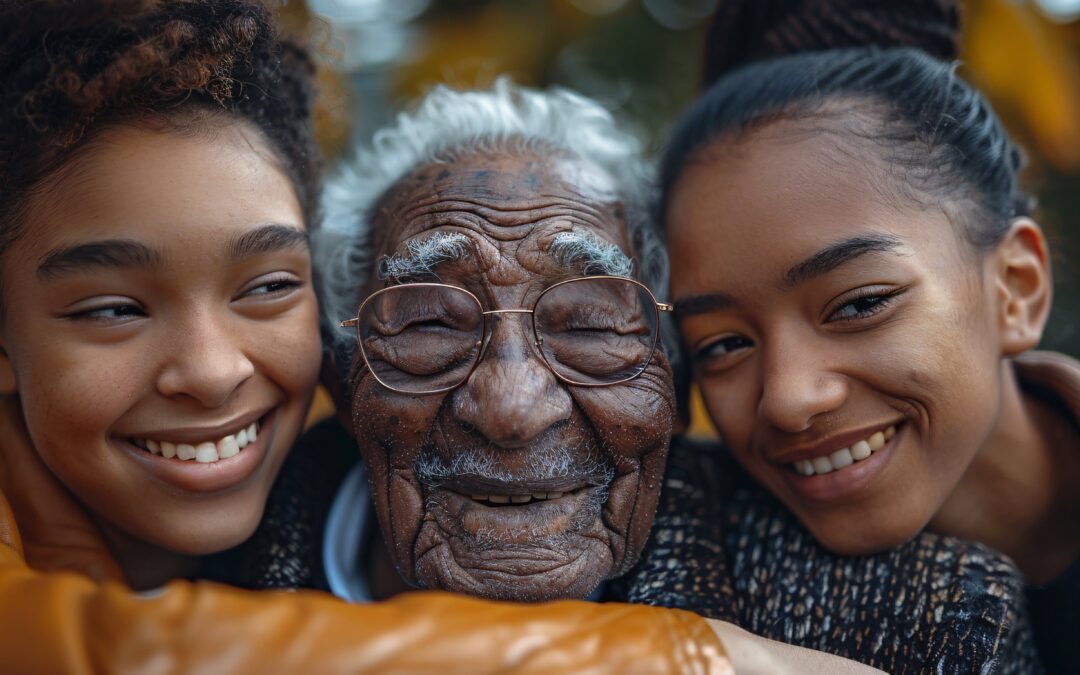
Why Aging Faster Is Optional: Lifestyle Choices That Slow Biological Age
Aging. At first glance, it seems like something that just happens to all of us — a fixed journey with an inevitable destination. But what if we told you aging faster isn’t hard-wired into your fate? What if science shows that how you live — what you eat, how you move, how you sleep — plays a huge role in how quickly your body actually ages?
Welcome to the fascinating world of biological age — and why aging faster is truly optional.
Chronological Age vs. Biological Age: Understanding the Difference
Every year, we add one candle to our birthday cake — that’s chronological age. But behind the scenes, inside our cells, genes, and tissues, there’s another type of aging happening. Scientists call this biological age, and it’s a more meaningful measure of your body’s real wear and tear.
Biological age is shaped by factors like:
-
DNA methylation patterns
-
Telomere length (protective chromosome caps)
-
Inflammation and oxidative stress
-
Cardiometabolic health
These internal markers can tell us whether someone’s body is younger — or older — than their years suggest. And importantly: biological age can change based on lifestyle choices. Nature+1
Why Lifestyle Matters More Than You Think
Recent research underscores just how powerful lifestyle choices are. In a massive analysis of environmental and lifestyle factors, scientists found elements like diet, exercise, and no smoking influence aging far more than genetics — nearly 10 times more — highlighting how modifiable factors determine aging speed. The Sun
Let’s explore the key lifestyle choices that science shows can slow the ticking of your biological clock.
1. Nourish Your Cells With Better Food
“You are what you eat” isn’t just a saying — it’s science.
Studies show that a balanced, nutrient-dense diet lowers markers of biological aging. Diets rich in fruits, vegetables, whole grains, lean proteins, healthy fats, and omega-3s help:
-
Reduce oxidative stress.
-
Lower inflammation.
-
Support DNA repair mechanisms.
In one study, women who improved their diet for just 6–12 months lowered their biological age by over 2 years! Medical Xpress
Scientific nutrition research also links plant-centric meals and anti-inflammatory foods with healthier aging markers by influencing gene regulation and key aging pathways like mTOR and sirtuins. Nature
Actionable Tip
Eat more:
✔ Leafy greens & berries
✔ Fatty fish (rich in omega-3)
✔ Nuts, seeds & legumes
✔ Whole grains
Reduce:
✘ Processed sugars
✘ Trans fats
✘ Excess red meat
2. Move Your Body — Regularly
Physical activity is one of the most potent lifestyle factors linked to slower aging.
Exercise helps your body:
-
Improve cardiovascular function
-
Lower inflammation
-
Boost metabolic health
-
Influence DNA methylation patterns that correlate with younger cellular age Psychology Today
Some studies even suggest structured exercise can reverse epigenetic aging markers in a matter of weeks! Reddit
Actionable Tip
Aim for:
At least 150 minutes of moderate movement per week
Strength training 2–3 times weekly
Activities that improve balance and flexibility
3. Prioritize Sleep — Your Overnight Repair Cycle
Sleep isn’t resting: it’s when your body does its most important repairs.
Good sleep supports:
-
Hormone regulation
-
Immune function
-
DNA repair
-
Lowered inflammation
Poor or inadequate sleep strongly predicts accelerated biological ageing. Medical Xpress
Actionable Tip
Aim for 7–9 hours of quality sleep each night with a consistent sleep schedule.
4. Ditch Harmful Habits
Certain lifestyle choices accelerate aging dramatically at the molecular level.
• Smoking adds years of biological age due to cellular and DNA damage.
• Excessive alcohol speeds up inflammation and tissue wear-and-tear. ScienceAlert
Removing these vices doesn’t just add years to life — it improves the quality of those years.
5. Manage Stress Like a Pro
Chronic stress isn’t just “feeling tense” — it triggers hormonal chaos, fuels inflammation, and accelerates aging markers.
Research shows people with unmanaged stress levels tend to have older biological age scores than their calmer peers. ScienceAlert
Actionable Tips
Practice mindfulness or meditation
Get nature time or relaxation breaks
Cultivate meaningful social relationships
6. Moderate Coffee and Consider Dark Chocolate (Yes, Really!)
Fun science tidbits:
• Some research links moderate coffee intake with longer telomeres — a sign of slower cellular aging. New York Post
• Compounds like theobromine in dark chocolate might influence aging pathways — possibly due to antioxidants. Health
Enjoy them in moderation to complement a healthy overall lifestyle.
The Takeaway: Your Choices Matter
Aging isn’t just about the years you’ve lived — it’s about the life you’ve lived.
Science increasingly shows that aging faster is optional. You can slow your biological clock — and reap benefits such as:
Better cardiovascular health
Lower chronic disease risk
More energy, mobility, and mental clarity
A healthier, more vibrant later life
And the best part?
These changes don’t require perfection — just consistency.
Final Inspiration From Science
Your biological age is not destiny — it’s dynamic. Every healthy choice you make nudges your biology toward resilience and youthfulness. Aging gracefully isn’t about avoiding age — it’s about choosing vitality at every step.
Live well. Eat mindfully. Move joyfully. Sleep deeply. Stress less. That’s how aging becomes optional — and life becomes deeper.