
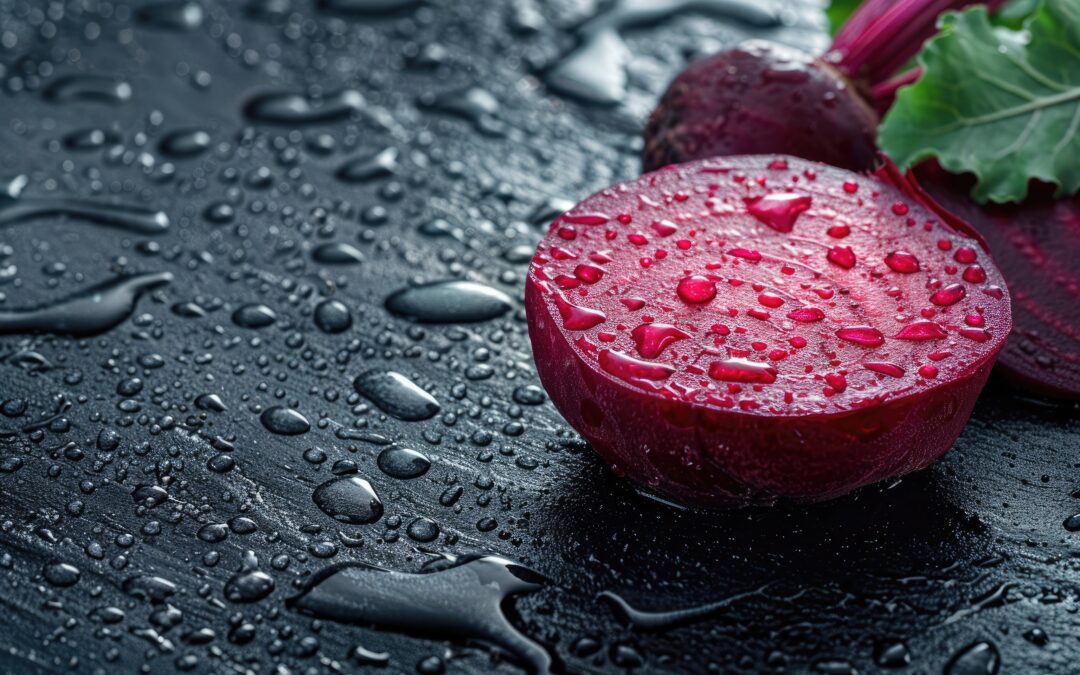
Beetroot: A Functional Superfood for Healthy Aging and Hormonal Vitality
Beetroot (Beta vulgaris) is more than just a vibrant root vegetable—it is a scientifically backed functional food rich in dietary nitrates, antioxidants (betalains), fiber, and essential micronutrients. Its benefits extend across cardiovascular, cognitive, metabolic, and hormonal health—making it particularly valuable as the body ages.
Nutritional Profile of Beetroot
Beetroot contains:
- Dietary nitrates
- Folate (Vitamin B9)
- Potassium
- Vitamin C
- Iron
- Polyphenols & betalains (antioxidants)
According to MedicineNet (2026), beetroot provides essential nutrients that support muscle, bone, kidney, and immune health.
Top Evidence-Based Benefits of Beetroot Consumption
1. Cardiovascular Health & Blood Pressure Regulation
One of the most established benefits of beetroot is its effect on heart health.
- Beetroot is rich in inorganic nitrates, which convert to nitric oxide (NO) in the body.
- Nitric oxide helps relax and dilate blood vessels, improving circulation.
According to Olas (2024), consumption of nitrate-rich vegetables like beetroot significantly enhances nitric oxide levels and supports cardiovascular protection and blood pressure control.
Additionally, studies show that beetroot juice can lower systolic blood pressure in older adults, contributing to reduced cardiovascular risk.
Why it matters with age:
As people age, nitric oxide production declines, increasing the risk of hypertension and vascular stiffness. Beetroot helps counter this decline naturally.
2. Brain Health & Cognitive Function
Beetroot supports brain health through improved blood flow.
- Increased nitric oxide enhances cerebral circulation
- Better oxygen delivery supports memory and cognition
According to Kimble & Shannon (2025), beetroot consumption may improve cerebral blood flow and vascular responsiveness, potentially reducing cognitive decline risk.
A study on older adults also found nitrate-rich diets increased blood flow to brain regions linked to executive function.
Relevance to aging:
This makes beetroot a promising dietary strategy for preventing age-related cognitive decline and dementia risk.
3. Anti-Inflammatory & Antioxidant Protection
Beetroot contains betalains, powerful antioxidants that:
- Reduce oxidative stress
- Lower chronic inflammation
- Protect cells from damage
Chronic inflammation is a key driver of:
- Hormonal imbalance
- Cardiometabolic diseases
- Accelerated aging
Implication:
Regular beetroot intake supports cellular longevity and hormonal stability.
4. Hormonal & Metabolic Support (Men & Women)
Beetroot contributes to hormonal health in several ways:
For Women (especially peri/post-menopause):
- Supports blood flow, reducing fatigue and brain fog
- Folate supports cell repair and reproductive health
- Helps manage blood pressure fluctuations
For Men:
- Improved nitric oxide enhances circulation and vascular performance
- Supports exercise capacity and stamina
Shared Benefits:
- Helps regulate metabolic function
- Supports energy production and oxygen delivery
5. Exercise Performance & Energy Boost
Beetroot is widely studied in sports science.
- Enhances oxygen efficiency
- Delays fatigue
- Improves endurance
Research compiled in systematic reviews shows beetroot supplementation improves physical performance and exercise tolerance.
Aging advantage:
Maintaining muscle strength and endurance is critical for preventing frailty and metabolic decline.
6. Gut Health & Microbiome Support
Emerging research highlights beetroot’s role in gut and oral microbiome health.
According to a University of Exeter study (2021), beetroot juice:
- Promotes beneficial oral bacteria
- Reduces inflammation-related microbes
- Supports vascular and brain health
Why this matters:
Gut and oral microbiomes play a role in:
- Hormonal balance
- Immune function
- Inflammation regulation
7. Liver Support & Detoxification
Beetroot contains betaine, which supports:
- Liver detoxification
- Fat metabolism
- Reduction of liver fat accumulation
This is particularly relevant in aging populations at risk of fatty liver disease.
Beetroot and Healthy Aging: The Big Picture
Beetroot stands out as a multi-system functional food because it simultaneously supports:
- Cardiovascular health
- Brain function
- Hormonal balance
- Physical performance
- Inflammation control
Its unique combination of nitrates + antioxidants + micronutrients makes it especially valuable for men and women navigating midlife and beyond.
How to Incorporate Beetroot into Your Diet
- Fresh (raw or cooked)
- Beetroot juice (concentrated nitrate source)
- Powder (in smoothies or supplements)
- Salads, soups, or functional blends
Tip: Pair with vitamin C-rich foods to enhance nutrient absorption.
Safety & Considerations
- May cause harmless red urine (beeturia)
- High in oxalates—moderation is advised for those prone to kidney stones
- Individuals with low blood pressure should monitor intake
Conclusion
Beetroot is not just a food—it is a functional longevity ingredient. Its ability to improve circulation, reduce inflammation, and support cognitive and hormonal health makes it a strong candidate for preventive wellness nutrition.
For a brand like Vitalis Origin, beetroot aligns perfectly with a mission focused on:
- Hormonal balance
- Aging vitality
- Natural, plant-based health solutions
References
- Olas, B. (2024). Cardioprotective Role of Nitrate-Rich Vegetables.
- Kimble, R. & Shannon, O. (2025). Beetroot and Brain Health Review.
- University of Exeter (2021). Beetroot Juice and Healthy Aging Study.
- Presley et al. (2011). Dietary Nitrate and Brain Perfusion.
- PubMed Systematic Review (2025). Beetroot and Physical Performance.
- MedicineNet (2026). Nutritional Benefits of Beetroot.