 22 October 2026
10 Everyday Foods That Can Help You Increase Your Fiber Intake
10 Everyday Foods That Can Help You Increase Your Fiber Intake
By Vital is Origin | Nutrition, Fiber & Healthy Eating
Have you ever wondered whether your everyday meals provide enough fiber to support your digestive health?
Many people focus on eating enough protein, reducing sugar or drinking more water, but overlook an important part of a balanced diet: dietary fiber. Fortunately, increasing your fiber intake does not have to mean buying expensive supplements or completely changing the way you eat.
From beans and oats to apples, vegetables and whole grains, many affordable foods can help you increase your daily fiber intake naturally.
In this guide, Vital is Origin explores 10 everyday foods that can help you eat more fiber, practical ways to include them in your meals, and simple habits that support healthy digestion and bowel regularity.
What Is Dietary Fiber, and Why Does It Matter?
Dietary fiber is the part of plant-based foods that the body cannot fully digest. It passes through the digestive system and plays an important role in bowel function and overall health.
There are two broad types of fiber:
- Soluble fiber: Dissolves in water and forms a gel-like substance. It is found in foods such as oats, beans, apples and some seeds.
- Insoluble fiber: Does not dissolve in water and helps add bulk to stool. Whole grains, nuts and many vegetables provide this type of fiber.
Many plant foods contain a combination of both types.
Eating enough fiber can help support regular bowel movements and may contribute to healthy cholesterol levels and blood sugar management as part of a balanced diet. The benefits depend on the types of fiber consumed and the person’s overall diet. Source: Mayo Clinic
How Much Fiber Do You Need Each Day?
Fiber needs vary with age, sex and energy requirements. As a general reference, the U.S. National Institute of Diabetes and Digestive and Kidney Diseases gives a daily range of approximately 22–34 grams for adults, depending on age and sex.
Your individual needs may differ, so consult a qualified healthcare professional or dietitian if you need personalized guidance. Source: NIDDK
The good news is that you can make progress by improving the foods you already eat.
10 Everyday Foods That Can Help You Increase Your Fiber Intake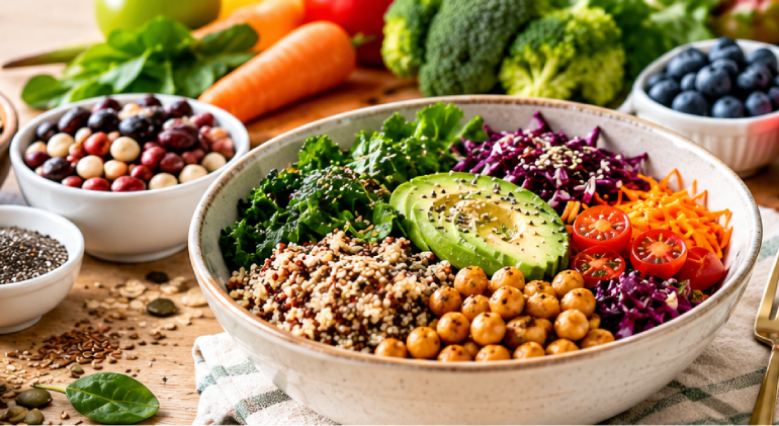
1. Beans
Beans are among the most practical sources of dietary fiber, and they can fit into many everyday meals.
Black-eyed peas, kidney beans, black beans and other varieties provide fiber along with plant-based protein and other nutrients.
Easy ways to eat more beans:
- Add beans to rice dishes.
- Prepare bean porridge with vegetables.
- Include beans in soups and stews.
- Add cooked beans to salads or vegetable-based meals.
For many Nigerian households, beans are already a familiar and accessible food. Including them regularly can be a straightforward way to improve dietary variety and fiber intake.
2. Oats
Oats contain soluble fiber, including beta-glucan, which has been studied for its role in supporting healthy cholesterol levels.
They are also versatile and can be prepared in sweet or savory dishes.
Easy ways to eat more oats:
- Make oatmeal for breakfast.
- Add sliced banana or apple to your porridge.
- Mix oats into homemade pancakes.
- Combine oats with nuts or seeds for additional fiber.
Choose oats with minimal added sugar when possible, and add fruit for natural sweetness.
3. Apples
Apples are a convenient source of fiber, particularly when eaten with their skin.
They make a practical snack and can be added to breakfast or eaten alongside other nutritious foods.
Easy ways to eat more apples:
- Eat a whole apple as a snack.
- Slice apple into oatmeal.
- Add apple pieces to a fruit bowl.
- Pair apple slices with a small serving of nuts.
Whole fruit is generally a better source of fiber than fruit juice because juicing often removes much of the fiber.
4. Pears
Pears are another useful fruit for increasing fiber intake. They provide a combination of soluble and insoluble fiber and can be eaten fresh or incorporated into meals.
Easy ways to eat more pears:
- Enjoy a fresh pear between meals.
- Chop pear into oatmeal.
- Add pear to a fruit salad.
- Serve sliced pear with plain yogurt, if suitable for your diet.
As with apples, eating the whole fruit with its skin when appropriate helps you obtain more of its naturally occurring fiber.
5. Vegetables
Vegetables such as carrots, broccoli, green peas, spinach and cabbage contribute fiber as well as vitamins and minerals.
Eating a variety of vegetables is a simple way to improve the nutritional quality of everyday meals.
Easy ways to eat more vegetables:
- Add carrots and cabbage to stews.
- Serve green vegetables with rice or beans.
- Include peas in soups and rice dishes.
- Add vegetables to omelets or other breakfast meals.
Fresh, frozen and appropriately prepared canned vegetables can all contribute to a balanced diet. Choose options with less added salt where possible.
6. Whole-Grain Foods
Whole grains retain more of the grain’s original components than refined grains, making them useful sources of dietary fiber.
Examples include whole-wheat bread, whole-wheat pasta, oats, brown rice and other whole-grain products.
Easy ways to eat more whole grains:
- Replace some refined-grain products with whole-grain alternatives.
- Try brown rice alongside beans and vegetables.
- Choose whole-wheat bread when available.
- Use whole-wheat pasta in family meals.
You do not have to change everything at once. Start with substitutions that fit your budget, preferences and usual meals.
7. Lentils and Peas
Lentils and peas provide fiber, plant-based protein and other nutrients. They can be especially useful for people seeking affordable alternatives to meals based entirely on animal protein.
Easy ways to eat more lentils and peas:
- Prepare lentil soup.
- Add lentils to stews.
- Include split peas in soups and other dishes.
- Combine lentils with vegetables and whole grains.
If legumes are not a regular part of your diet, begin with modest portions and increase them gradually to help your digestive system adjust.
8. Nuts and Seeds
Nuts and seeds can contribute fiber, healthy fats and other nutrients. Examples include almonds, peanuts, chia seeds and ground flaxseed.
Although they are nutritious, portions matter because many nuts and seeds are energy-dense.
Easy ways to eat more nuts and seeds:
- Add a small handful of nuts to a snack.
- Sprinkle chia seeds over oatmeal.
- Mix ground flaxseed into porridge.
- Add chopped nuts to a fruit bowl.
If you use chia seeds, consume them prepared appropriately rather than swallowing large quantities of dry seeds. People with swallowing difficulties should seek professional guidance before using them.
9. Sweet Potatoes
Sweet potatoes provide fiber alongside carbohydrates and other nutrients. Their skin also contributes fiber when eaten.
They are easy to incorporate into many meals and can be prepared in different ways.
Easy ways to eat more sweet potatoes:
- Boil or bake them as a side dish.
- Roast sweet-potato pieces with other vegetables.
- Add them to vegetable-based meals.
- Eat them with beans or another source of protein.
Choose preparation methods that fit your overall dietary needs, such as boiling, baking or roasting rather than routinely deep-frying.
10. Avocados
Avocados provide fiber as well as unsaturated fats. Their soft texture makes them easy to include in snacks and meals.
Easy ways to eat more avocados:
- Add avocado slices to whole-grain toast.
- Include avocado in salads.
- Serve it alongside eggs and vegetables.
- Mash avocado into a spread for sandwiches.
You do not need to eat every food on this list every day. The goal is to build a varied, sustainable eating pattern that provides fiber from several different plant foods.
Food examples and the different roles of dietary fiber are consistent with guidance from Mayo Clinic.
Simple Ways to Increase Your Fiber Intake Without Overhauling Your Diet
Knowing which foods contain fiber is only the first step. Making these foods part of your routine is what matters.
Try these practical strategies:
1. Improve your breakfast. Add oats, fruit, nuts or seeds to meals you already enjoy.
2. Include beans more often. Add beans or lentils to soups, stews, rice dishes and other familiar meals.
3. Choose whole fruit. When practical, choose whole apples, pears and other fruits instead of relying entirely on juice.
4. Add vegetables to meals. Include vegetables at lunch and dinner, even if you start with small portions.
5. Read food labels. Compare fiber content when choosing breads, cereals, pasta and packaged foods.
6. Increase fiber gradually. A sudden increase can cause gas, bloating or abdominal discomfort. Introduce higher-fiber foods over time.
7. Drink adequate fluids. Fluids help fiber work effectively. Your individual needs depend on your health, activity and other circumstances.
The NIDDK recommends increasing fiber gradually and drinking enough liquids to help fiber work better. Read its guidance on constipation and nutrition.
A Simple One-Day Example of a Fiber-Friendly Eating Pattern
You do not need an elaborate meal plan to start making better choices.
Here is an example you can adapt to your preferences:
- Breakfast: Oatmeal with sliced apple and a small serving of seeds.
- Lunch: Beans with vegetables and a portion of rice.
- Snack: A pear or another whole fruit.
- Dinner: Sweet potato with vegetables and a suitable protein source.
This is an illustrative example, not a prescribed diet. The fiber content depends on portion sizes, preparation and the specific foods chosen. Adjust meals to your individual needs, budget and any medical dietary advice you have received.
Can Herbal Tea Replace Fiber-Rich Foods?
No. Herbal tea and fiber-rich foods serve different purposes.
A varied diet containing beans, vegetables, fruits, nuts, seeds and whole grains is a practical foundation for obtaining dietary fiber.
Vital is Origin Senna Leaf Tea is a separate herbal product containing senna leaf. Senna acts as a stimulant laxative; it is not a dietary fiber source and should not be presented as a substitute for fiber-rich foods or as a daily digestive-wellness requirement.
Senna may cause abdominal cramps and diarrhea and is generally intended for short-term use for occasional constipation. Follow the product label and consult a healthcare professional if you are unsure whether it is appropriate for you, especially if you take medication, have an underlying medical condition, or are pregnant or breastfeeding.
If constipation persists, keeps returning, or is accompanied by severe abdominal pain, vomiting, blood in the stool or other concerning symptoms, seek medical advice rather than relying on herbal products alone.
Frequently Asked Questions About Dietary Fiber
What foods are highest in fiber?
Beans, lentils, split peas, some whole grains, chia seeds and many fruits and vegetables are useful sources. The amount of fiber varies by food and serving size, so compare nutritional information where available.
Can I increase my fiber intake every day?
Yes. Most people can work toward an appropriate daily fiber intake through a varied diet. Increase intake gradually and drink adequate fluids to reduce the chance of digestive discomfort.
Does eating more fiber help with constipation?
Adequate dietary fiber can help prevent or relieve constipation for many people. However, the best approach depends on the cause of constipation and individual health circumstances. Persistent symptoms deserve professional assessment.
Can I get enough fiber without supplements?
Many people can obtain sufficient fiber from a varied diet containing legumes, whole grains, vegetables, fruits, nuts and seeds. Some people may need individualized dietary advice or additional support from a healthcare professional.
Is senna tea the same as a fiber supplement?
No. Senna is a stimulant laxative, whereas fiber supplements provide dietary fiber or fiber-like substances. They work differently and are not interchangeable. Senna should not be used as a replacement for a balanced, fiber-rich diet.
Final Thoughts: Make Small Changes That Last
Increasing your fiber intake does not have to be complicated or expensive. Start with foods you already enjoy, add more variety to your meals, increase fiber gradually and drink adequate fluids.
Beans, oats, apples, pears, vegetables, whole grains, lentils, nuts, seeds, sweet potatoes and avocados are all practical options to consider.
At Vital is Origin, we believe informed choices are an important part of responsible plant-based wellness. Understanding your nutritional needs is a useful first step toward making choices that fit your lifestyle.
Explore Vital is Origin’s wellness information at vitalisorigin.com, and consult a qualified healthcare professional when you need personalized guidance about digestive symptoms or herbal products.
Health information disclaimer: This article is for educational purposes only and is not a substitute for professional medical advice, diagnosis or treatment.