
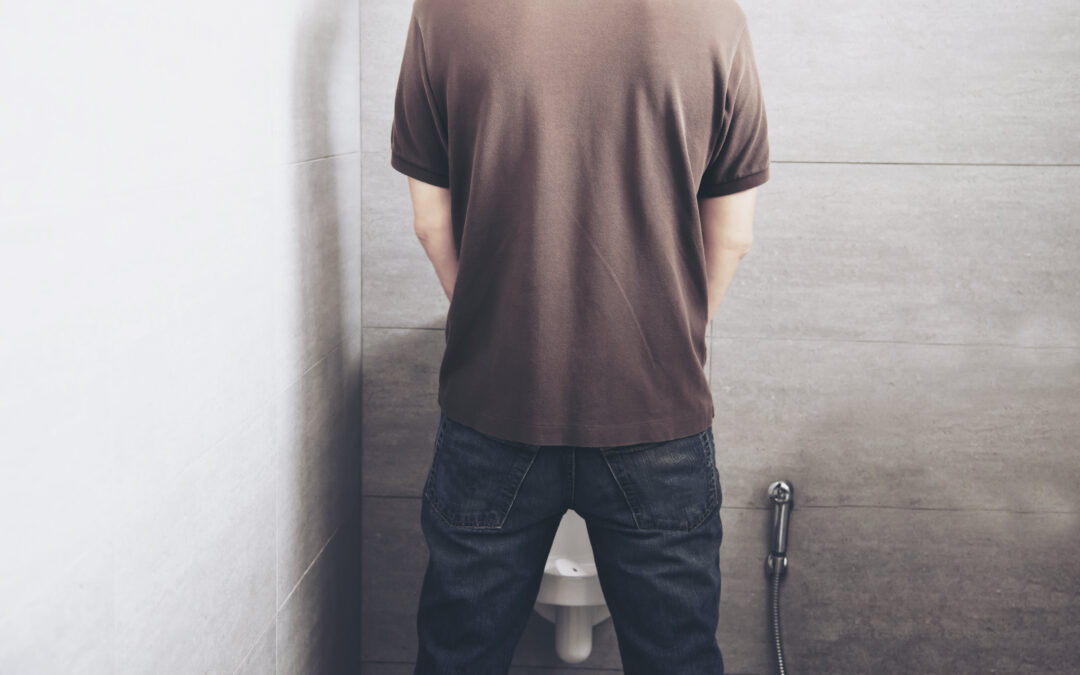
Does Sitting vs Standing While Urinating Affect Men’s Health? A Science-Backed Insight
Introduction
Something as routine as urination is rarely questioned—but emerging research suggests that the posture men adopt while urinating may influence bladder emptying and overall urinary health.
With increasing awareness around prostate health, aging, and hormonal balance, this topic has gained attention, particularly among men experiencing urinary symptoms.
But how valid is this claim?
At Vitalis Origin, we examined the science to separate fact from exaggeration.
Understanding the Physiology of Urination
Urination is controlled by a coordinated interaction between:
- The bladder muscle (detrusor)
- The pelvic floor muscles
- The nervous system
For complete bladder emptying:
- The bladder must contract efficiently
- The pelvic floor must relax fully
Posture can influence this process by affecting muscle relaxation and abdominal pressure.
What Does Research Say About Urination Posture in Men?
1. Evidence from Clinical Studies
According to a systematic review conducted by Leiden University Medical Center (2014):
- In healthy men, there was:
- No significant difference in:
- Urine flow rate
- Time to empty the bladder
- Residual urine volume
- No significant difference in:
- In men with lower urinary tract symptoms (LUTS)—often linked to prostate enlargement:
- Sitting resulted in:
- Reduced residual urine
- Improved urine flow
- Shorter voiding time
- Sitting resulted in:
Interpretation:
Posture has minimal effect in healthy individuals, but meaningful benefits in men with urinary challenges.
2. Insights from Urological Research
According to the European Association of Urology:
- Incomplete bladder emptying is a common issue in aging men
- Residual urine can contribute to:
- Urinary tract infections
- Bladder irritation
- Increased urinary frequency
Sitting may help reduce these risks by promoting more complete voiding, especially in men with compromised urinary function.
Why Sitting May Improve Bladder Emptying
Research suggests that sitting:
- Encourages better pelvic floor relaxation
- Reduces unconscious “holding tension”
- Allows more effective abdominal pressure support
According to studies published in PLOS ONE (2014):
- Improved relaxation leads to more efficient urine flow
- Reduced residual urine enhances bladder health over time
Implications for Prostate Health
While posture alone does not treat prostate conditions, it may play a supportive role.
Conditions like Benign Prostatic Hyperplasia (BPH) can:
- Obstruct urine flow
- Cause incomplete emptying
- Increase bladder pressure
Potential Benefits of Sitting in These Cases
- Reduced straining during urination
- Improved bladder emptying
- Lower risk of urine retention
According to the National Institute of Diabetes and Digestive and Kidney Diseases, managing urinary flow and bladder emptying is key in reducing complications associated with prostate enlargement.
What About Healthy Men?
For men without urinary symptoms:
- Scientific evidence shows no significant advantage of sitting over standing
- Choice of posture remains largely personal and cultural
However, sitting may still:
- Reduce splashing and hygiene concerns
- Promote relaxation in certain environments
Do These Findings Apply to Women?
The conversation differs for women.
According to research from the International Urogynecological Association:
- “Hovering” (not sitting fully on the toilet) can:
- Prevent pelvic floor relaxation
- Lead to incomplete bladder emptying
Best Practice for Women
- Sit fully and relax during urination
- Avoid rushing or straining
Key Takeaways
✔ For men with urinary symptoms or prostate enlargement:
Sitting may improve bladder emptying and reduce complications
For healthy men:
Posture has little to no measurable impact
✔ For women:
Proper sitting posture supports bladder health
Important Clarification:
Urination posture alone does not prevent prostate disease or major urinary disorders
Vitalis Origin Perspective
At Vitalis Origin, we emphasize that small, consistent habits can support long-term health—especially as the body ages.
While urination posture is not a cure or primary intervention, it can be:
- A simple adjustment
- A supportive strategy
- Particularly useful for men experiencing early urinary changes
When combined with:
- Balanced nutrition
- Hormonal support
- Proper hydration
- Regular medical screening
…it becomes part of a holistic approach to urinary and prostate health.
Conclusion
The idea that posture affects urination is scientifically valid—but context matters.
- For healthy individuals: it’s largely neutral
- For those with urinary symptoms: it may be beneficial
Ultimately, understanding your body and responding to its signals is far more important than rigid rules.
Disclaimer
This article is for educational purposes only and does not constitute medical advice. Always consult a qualified healthcare professional for diagnosis or treatment of urinary or prostate-related conditions.