
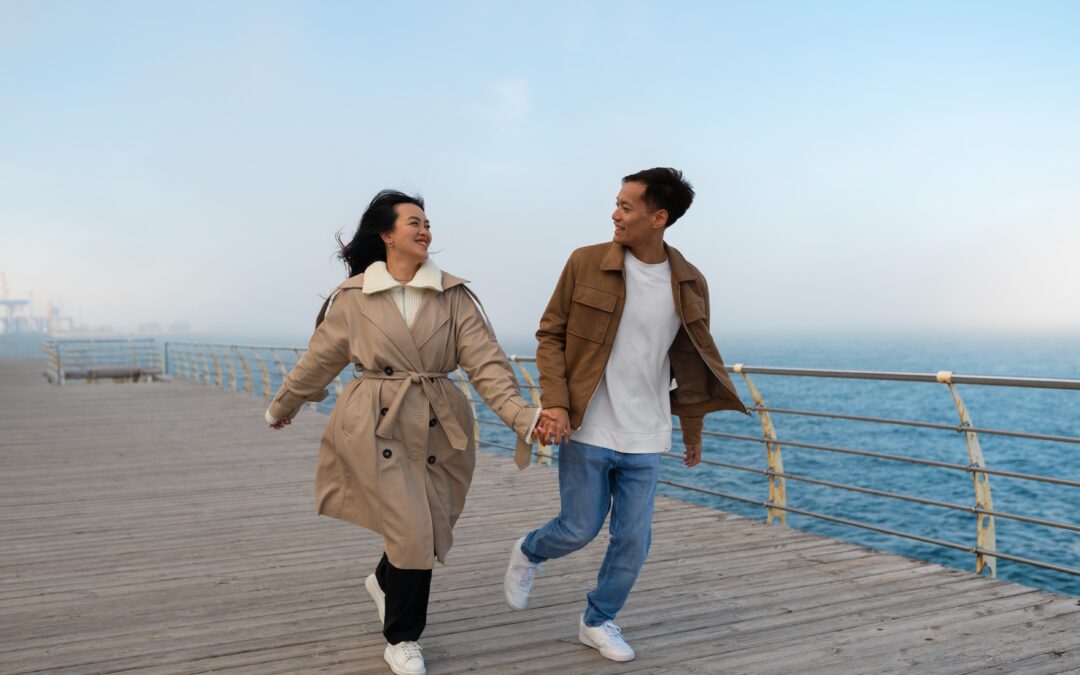
Walking: The Human Body’s “Default Exercise”?
A Research-Based Analysis of Longevity, Hormonal Health, and Gender-Specific Benefits
Introduction
It is often claimed that walking is the only exercise the human body is designed for. While this statement is somewhat simplistic, it contains a meaningful physiological truth: human anatomy, metabolism, and evolutionary biology strongly favor sustained, moderate locomotion—especially walking.
From an evolutionary standpoint, humans evolved as endurance walkers and persistence hunters. However, modern research goes beyond theory—demonstrating that walking remains one of the most powerful tools for improving longevity, hormonal balance, and overall health.
This article critically examines the claim using peer-reviewed studies and epidemiological evidence, aligning insights with the Vitalis Origin mission of sustainable hormonal and metabolic health.
1. Walking and Longevity: What the Evidence Shows
1.1 Strong Reduction in All-Cause Mortality
A large systematic review and meta-analysis involving over 280,000 participants found that regular walking reduces the risk of all-cause mortality by approximately 11%, even after adjusting for other physical activities (Kelly et al., 2014).
Similarly, a long-term cohort study of older adults showed that any level of walking— even below recommended exercise thresholds—reduces mortality risk compared to inactivity.
1.2 Dose–Response Advantage: Even Small Amounts Matter
Research consistently shows that:
- The greatest health gains occur at the lowest levels of activity
- Transitioning from no walking → some walking yields the biggest benefit
Even modest walking habits:
- Reduce mortality risk in older adults (BMJ cohort study)
- Lower death rates significantly when compared with sedentary individuals
1.3 Walking Intensity Matters More Than Duration
The Copenhagen City Heart Study found that:
- Brisk walking significantly reduces mortality risk
- Intensity has a stronger effect than duration
Similarly, pace-based analyses show:
- Faster walking is linked to lower risks of cardiovascular disease, diabetes, and even dementia
Key Longevity Insight
Walking is not just beneficial—it is one of the most accessible, scalable, and evidence-backed interventions for extending lifespan.
2. Walking and Hormonal Health
Hormonal balance—central to Vitalis Origin’s focus—is profoundly influenced by physical activity. Walking plays a unique regulatory role due to its low stress load and metabolic consistency.
2.1 Cortisol and Stress Regulation
Walking, especially at moderate intensity:
- Reduces chronic cortisol elevation
- Enhances parasympathetic nervous system activity
This is crucial because:
- Chronically elevated cortisol disrupts thyroid, insulin, and sex hormones
2.2 Insulin Sensitivity and Metabolic Hormones
Walking improves:
- Glucose uptake in skeletal muscle
- Insulin sensitivity, reducing risk of metabolic syndrome
Evidence from walking-based studies shows improved cardiometabolic markers, including blood sugar control and cardiovascular function
2.3 Sex Hormones and Endocrine Balance
Unlike high-intensity exercise (which can sometimes dysregulate hormones), walking:
- Supports balanced estrogen metabolism
- Maintains testosterone levels without excessive stress load
- Improves leptin and ghrelin signaling (hunger hormones indirectly via energy balance)
3. Walking and Men’s Health
3.1 Cardiovascular and Prostate Health
Walking significantly reduces:
- Risk of cardiovascular disease
- Hypertension and metabolic disorders (linked to prostate dysfunction)
Faster walking pace is associated with:
- Lower risk of heart disease mortality
3.2 Testosterone Preservation
While intense overtraining can suppress testosterone:
- Moderate walking supports healthy testosterone levels
- Reduces visceral fat (a key driver of low testosterone)
3.3 Longevity in Men
A landmark study of older men found:
- Those walking >2 miles/day had nearly half the mortality rate of those walking less than 1 mile/day
4. Walking and Women’s Health
4.1 Hormonal Balance in Perimenopause and Menopause
Walking is especially beneficial for women in midlife:
- Helps regulate estrogen fluctuations
- Reduces vasomotor symptoms (e.g., hot flashes) indirectly via metabolic stability
- Supports weight management, critical for hormonal equilibrium
4.2 Bone and Joint Health
Weight-bearing walking:
- Helps maintain bone density
- Reduces risk of osteoporosis (key post-menopause concern)
4.3 Longevity Benefits in Women
Large cohort studies show:
- Even moderate walking significantly reduces mortality risk in older women
- Step-based studies show meaningful reductions in cardiovascular mortality with consistent walking habits (observational evidence)
5. Is Walking the “Only” Exercise Humans Are Designed For?
5.1 Where the Claim Holds True
Walking aligns with:
- Human skeletal structure (bipedal locomotion)
- Energy systems (aerobic metabolism dominance)
- Evolutionary adaptation (endurance over explosive activity)
5.2 Where the Claim Falls Short
Humans are also adapted for:
- Strength (lifting, carrying)
- Short bursts of speed (sprinting)
- Climbing and varied movement patterns
Thus, a more accurate statement is:
Walking is the foundational human movement—but not the only one.
6. Practical Implications for Vitalis Origin Audience
For Hormonal Health Optimization
- Walk 30–60 minutes daily
- Prioritize brisk pace over slow strolling
- Combine with sunlight exposure for circadian rhythm support
For Longevity
- Aim for consistent daily movement, not perfection
- Even 10–15 minutes of continuous walking delivers measurable benefits (recent cohort data)
For Men & Women
- Use walking as a baseline habit
- Layer with:
- Resistance training (2–3x/week)
- Mobility and flexibility work
Conclusion
Walking is not merely a basic activity—it is a biologically aligned, clinically validated, and hormonally supportive form of movement.
Research consistently shows that walking:
- Extends lifespan
- Improves metabolic and hormonal health
- Supports both men’s and women’s physiological needs
While it may not be the only exercise humans are designed for, it is undeniably:
The most essential, accessible, and sustainable foundation for lifelong health.
Disclaimer
This article is for educational purposes only and does not constitute medical advice. Consult a qualified healthcare provider before making changes to your exercise or health routine, especially if you have pre-existing medical conditions.